
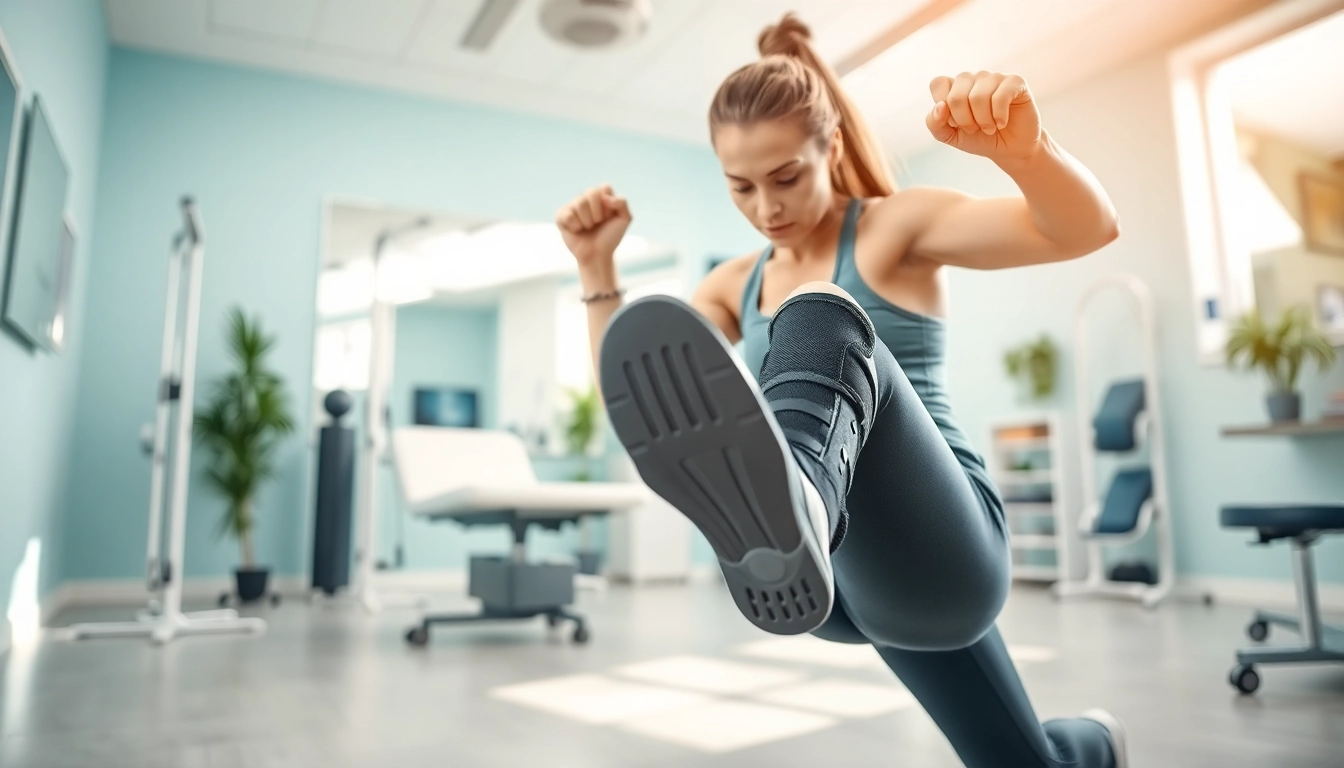
Understanding Ankle Dorsiflexion
Ankle dorsiflexion is a crucial movement that allows the foot to flex upwards towards the shin, playing a significant role in walking, running, and other physical activities. Its importance cannot be overstated, as this range of motion is vital for maintaining balance and proper gait mechanics. Limited dorsiflexion can lead to compensatory movements, increasing the risk of injuries and affecting overall mobility. In this article, we will delve into the causes of restricted dorsiflexion, the benefits of using an ankle brace to prevent dorsiflexion, and factors that influence ankle flexibility.
What is Ankle Dorsiflexion?
Ankle dorsiflexion refers to the movement that occurs when you pull your toes and foot upwards towards your leg. This motion is primarily facilitated by the tibialis anterior muscle, which contracts to lift the foot. Proper dorsiflexion is essential for effective walking and running, as it allows the foot to clear the ground during the swing phase of walking, thereby preventing tripping and falling.
Importance of Dorsiflexion in Movement
The ability to dorsiflex is crucial for various sports and physical activities. For athletes, adequate dorsiflexion is necessary for tasks such as sprinting, jumping, and changing directions quickly. In daily activities, good dorsiflexion contributes to the smoothness of your movements, reducing the risk of injuries associated with tight muscles or joints. Furthermore, healthy ankle dorsiflexion supports the kinetic chain, improving overall functional performance.
Common Issues Associated with Limited Dorsiflexion
- Increased risk of ankle sprains
- Postural imbalances leading to knee and hip problems
- Decreased performance in sports
- Chronic pain in the lower limbs
What Prevents Ankle Dorsiflexion?
Several factors can impede ankle dorsiflexion, making it essential to understand and address these issues for better mobility. Muscle tightness, joint stiffness, and neurological conditions are common culprits that can hinder this important motion.
Muscle Tightness and Tension
Tightness in the calf muscles, particularly the gastrocnemius and soleus, is one of the most prevalent reasons for limited dorsiflexion. When these muscles are overly tight, they restrict the ability of the ankle to flex upward, leading to compensatory movements that might increase the risk of injuries. Stretching and strengthening exercises can help alleviate this tightness and improve the range of motion.
Joint Stiffness Due to Injury
Previous injuries, such as ankle sprains or fractures, can lead to the development of stiffness in the ankle joint. This stiffness may be compounded by conditions like arthritis, further limiting dorsiflexion. Joint mobilization techniques and the use of braces can provide necessary support during recovery, facilitating a gradual return to regular range of motion.
Neurological Factors Affecting Mobility
Certain neurological conditions can impede the body’s ability to control ankle movements effectively. Conditions such as stroke or multiple sclerosis may affect proprioception and muscle coordination, leading to a decreased capacity for dorsiflexion. In such cases, a comprehensive rehabilitation program, including the use of specialized braces, might be necessary to restore function.
Benefits of Using an Ankle Brace to Prevent Dorsiflexion
Utilizing an ankle brace can provide significant advantages for individuals experiencing limited dorsiflexion. These supportive devices can help in muscle relaxation, enhance joint stability, and improve proprioception, ultimately facilitating better movement control.
Muscle Support and Relaxation
Ankle braces, particularly those designed with compression features, can assist in relaxing tight muscles surrounding the ankle. The gentle pressure applied by these braces promotes blood circulation in the calf and ankle areas, which helps to deliver oxygen and nutrients effectively. Enhanced circulation aids in reducing muscle tension, making it easier to achieve better dorsiflexion.
Enhanced Joint Stability and Mobility
For individuals suffering from joint stiffness or post-injury, ankle braces like stabilizer or semi-rigid braces provide much-needed support. These braces help maintain proper alignment of the ankle bones, allowing for smoother joint movement during dorsiflexion. In the rehabilitation phase following an ankle injury, these braces can protect the joint while also facilitating the gradual improvement of the range of motion.
Improved Proprioception and Movement Control
Many ankle braces are designed to enhance proprioception, which is the body’s awareness of its position in space. Improved proprioception in the ankle helps individuals control their dorsiflexion movements more accurately. By enhancing this body awareness, braces can lead to better stability and reduce the likelihood of further injury.
Choosing the Right Ankle Brace
Selecting the appropriate ankle brace is vital for effectively addressing dorsiflexion limitations. With a variety of options available, understanding the different types and their features can guide you in making an informed decision.
Types of Braces and Their Features
Braces can be categorized into several types, including:
- Lace-up braces: These provide adjustable compression and support.
- Rigid braces: Offer maximum stability for severe injuries.
- Compression sleeves: Help in muscle relaxation and blood flow.
- Functional braces: Designed for active individuals recovering from injuries.
How to Select Based on Individual Needs
When choosing an ankle brace, consider factors such as the severity of your condition, activity level, and comfort. It’s important to choose a brace that offers sufficient support while allowing for mobility. Each type has its unique benefits, so prioritize what aligns best with your lifestyle and recovery goals.
Consulting Healthcare Professionals
Always seek guidance from healthcare professionals or physical therapists when selecting an ankle brace. They can evaluate your specific needs and recommend the most suitable option based on your health status and activity level. A tailored approach can enhance recovery outcomes and promote better overall mobility.
Future Trends in Ankle Support Technology (2026 and Beyond)
The field of orthopedic support is rapidly evolving, with new technologies aimed at improving the effectiveness and comfort of ankle braces. In the coming years, we can expect to see several exciting trends emerge.
Innovations in Ankle Brace Design
Advancements in 3D printing and custom-fit technologies will allow for personalized ankle braces that conform to individual anatomical structures. These innovations promise to enhance comfort and support while minimizing bulkiness.
Emerging Materials for Improved Comfort
New materials that combine durability with lightweight characteristics are being developed. These materials will not only provide adequate support but will also be breathable and moisture-wicking, ensuring that wearers remain comfortable during extended use.
Integrating Technology in Rehabilitation
Wearable technology, such as sensors that track movement patterns and provide feedback, is set to revolutionize rehabilitation processes. Integrating these devices with ankle braces can enhance patient engagement and facilitate tailored rehabilitation exercises.
Conclusion
In summary, understanding ankle dorsiflexion and the factors that inhibit this vital motion is essential for anyone involved in athletic or general physical activities. An ankle brace can be an effective solution to support recovery, improve stability, and enhance mobility. With ongoing advancements in brace design and technology, the future holds promising developments that will make these devices even more effective and comfortable for users. Whether you are recovering from an injury or looking to enhance your athletic performance, investing in the right ankle brace can pave the way for improved dorsiflexion and overall foot health.


